Buying Your First Project Car: What You REALLY Need to Know
So you’ve been thinking about diving into your first project car. Maybe you’ve been scrolling listings at midnight, imagining that feeling of ripping through the gears of that one car you’ve dreamt of having. It’s exciting—but the truth is, buying your first project car can feel overwhelming if you don’t know what you’re looking at.
The good news? It doesn’t have to be.
Buying your first project isn’t about finding the “perfect” car. It’s about finding the right car—something that matches your budget, skill level, and long-term vision. And once you get clear on those three things, the whole process becomes a lot easier.
The biggest mistake beginners make is falling in love with a car that’s way over their head. A cheap listing with no engine, missing interior, rotted floors, and no title might look like an exciting “challenge,” but it almost always becomes a pain in your wallet. It’s better to start with something that needs straightforward work you can actually learn from—brakes, suspension, interior, cosmetic cleanup. Those jobs teach you the basics without draining your wallet or your motivation.
Start With What You Want—Not What ‘Looks Cool’ Online
A lot of beginners fall in love with the wrong ca and quickly learn how a simple hobby such as cars can become an expensive one fast!
Before browsing listings, get honest about the following:
- Your budget (not just the car—tools, parts, space)
- Your mechanical skill level
- Your time availability
- Your overall goal (Are you restoring to drive? To flip? To learn? To show?)
These answers shape everything. Your first project should be something you can realistically bring back without draining your bank account—or your enthusiasm.
Buy Something That Needs “Beginner Level” Work
There are two categories of project cars:
The ones that teach you, and the ones that break you.
Beginner-friendly cars usually need the following:
- Brake upgrades
- Suspension upgrades
- Basic electrical fixes
- Cooling system repairs
- Interior refreshes
- Light to moderate cosmetic updates
- Maybe even a tune-up
These jobs teach you core skills and build confidence for your next projects
Cars you shouldn’t buy as your first project:
- Cars with missing engines or transmissions – often times these become money pits.
- Cars with major rot or frame rust
- Cars with destroyed wiring harnesses
- Cars with incomplete or missing critical components
- Cars that are disassembled and are “part outs”
- Cars with mystery problems the seller can’t explain
It’s not that you can’t fix these—it’s that these projects require more experience, a lot more money, and more importantly, specialized tools and dedicated working spaces. They’re far better suited as your second or third build.
Beginner Level Friendly Cars
Here are some cars picked with a beginner in mind that are often easy to work on
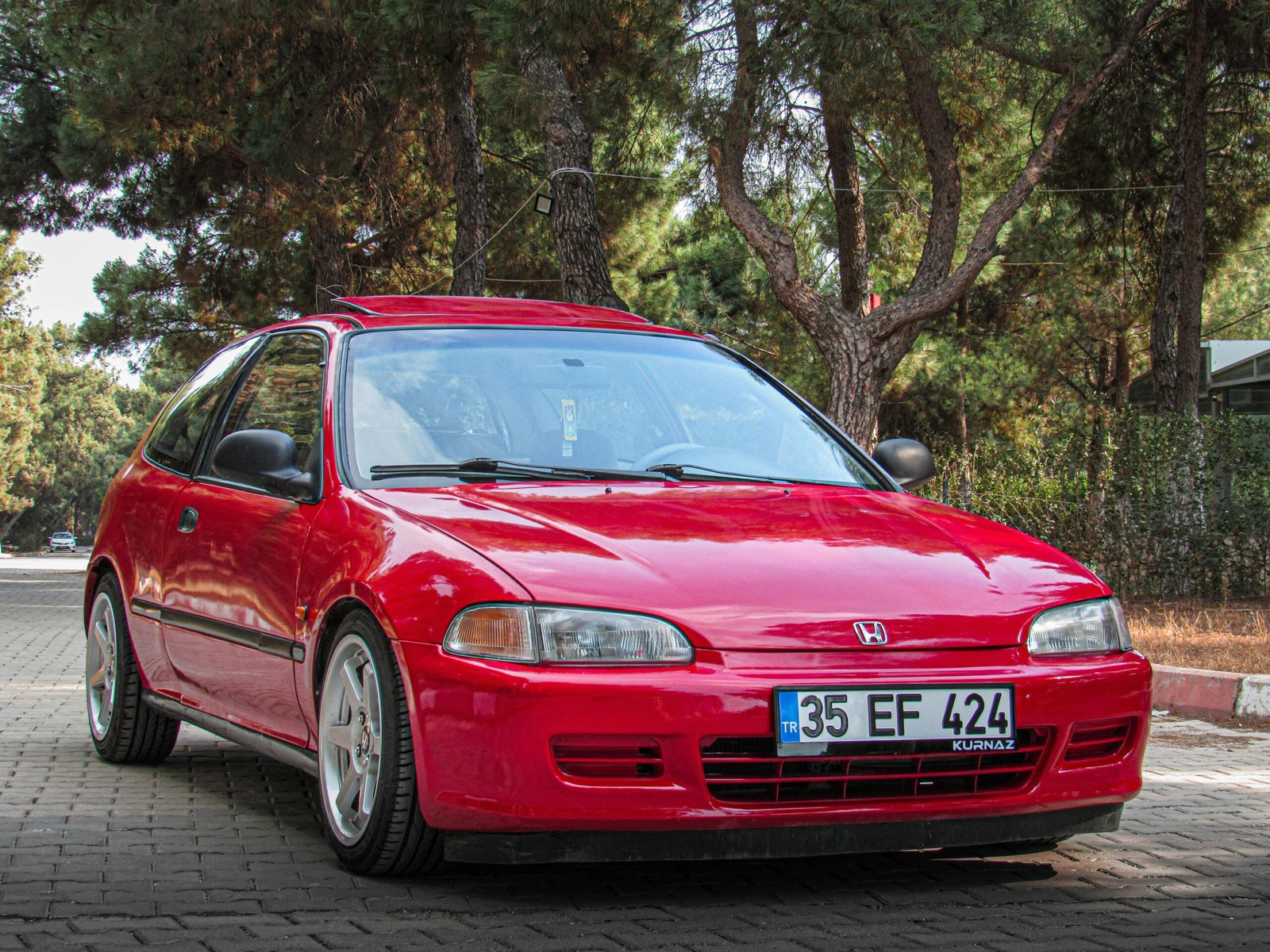
5th gen+ Honda Civics
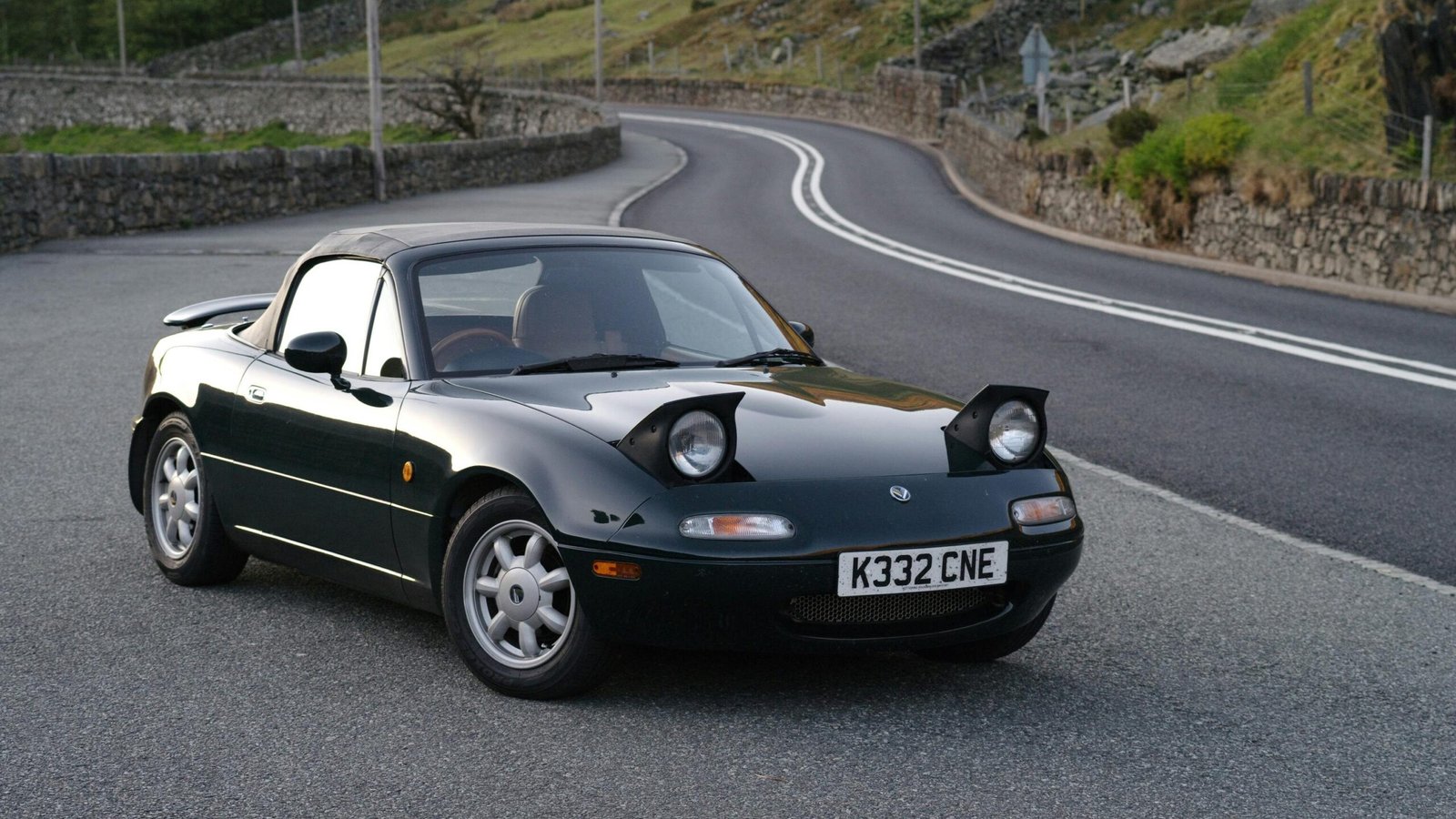
NA, NB or NC Mazda Miata
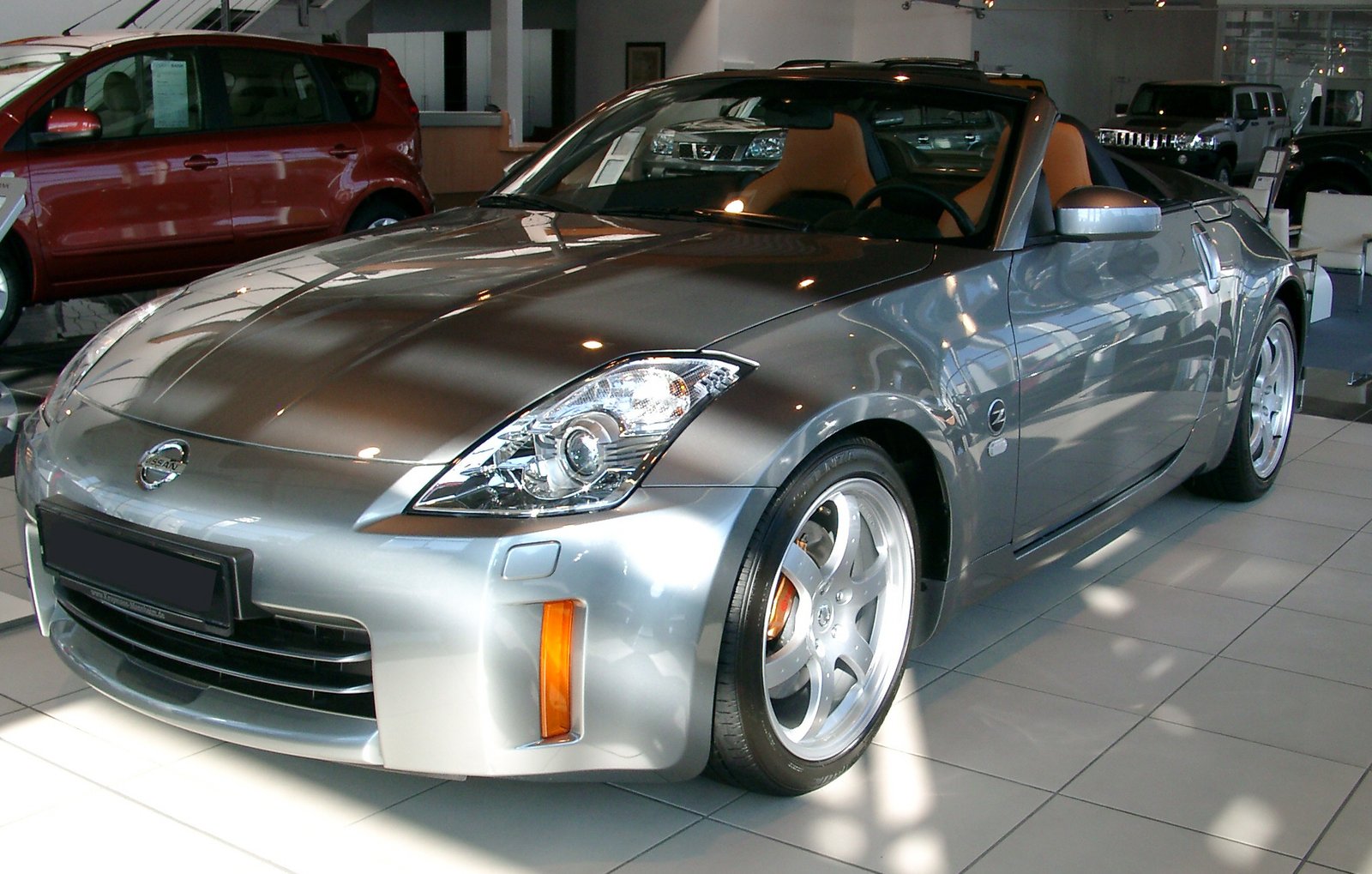
Nissan 350z
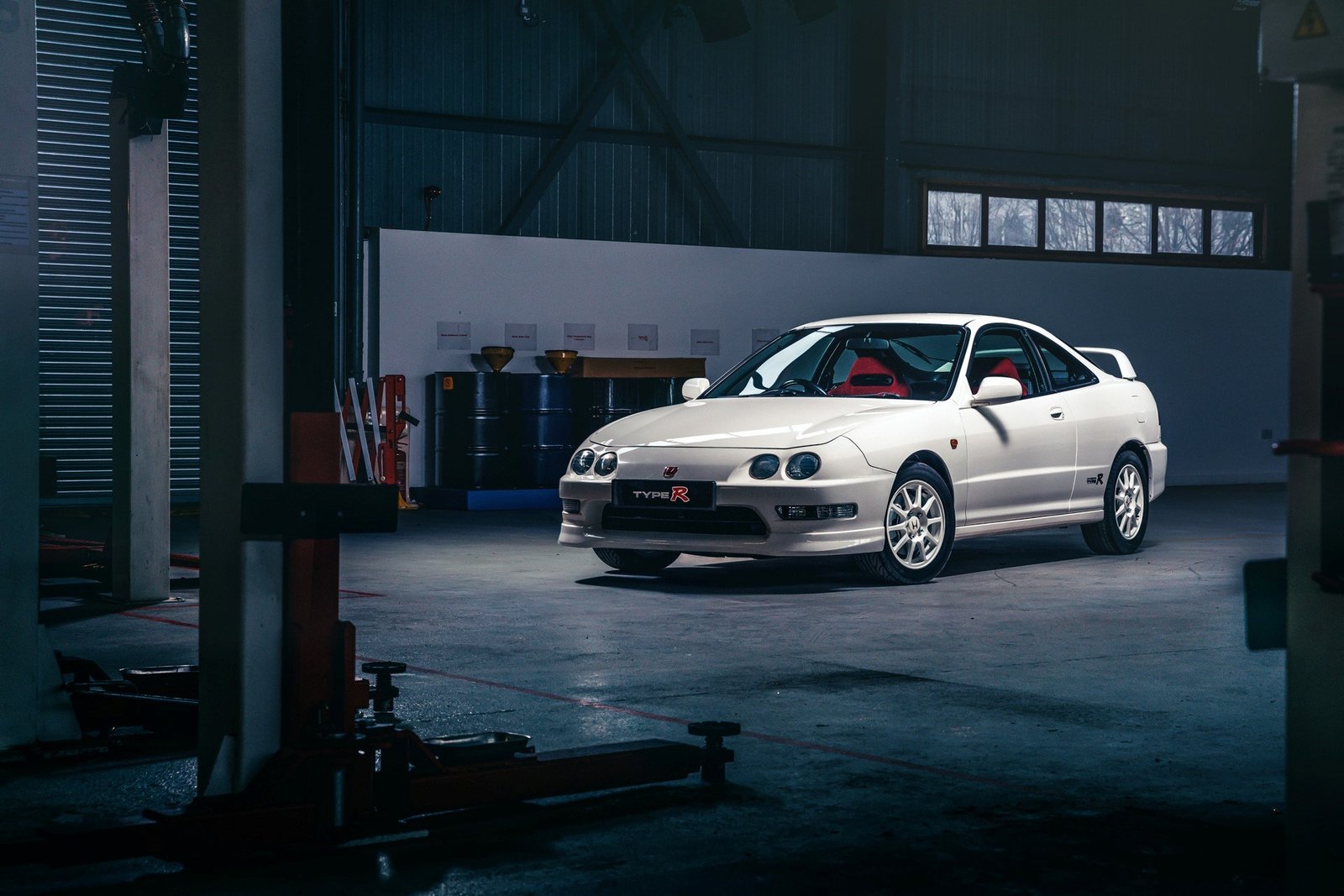
Acura Integra – 3rd Generation
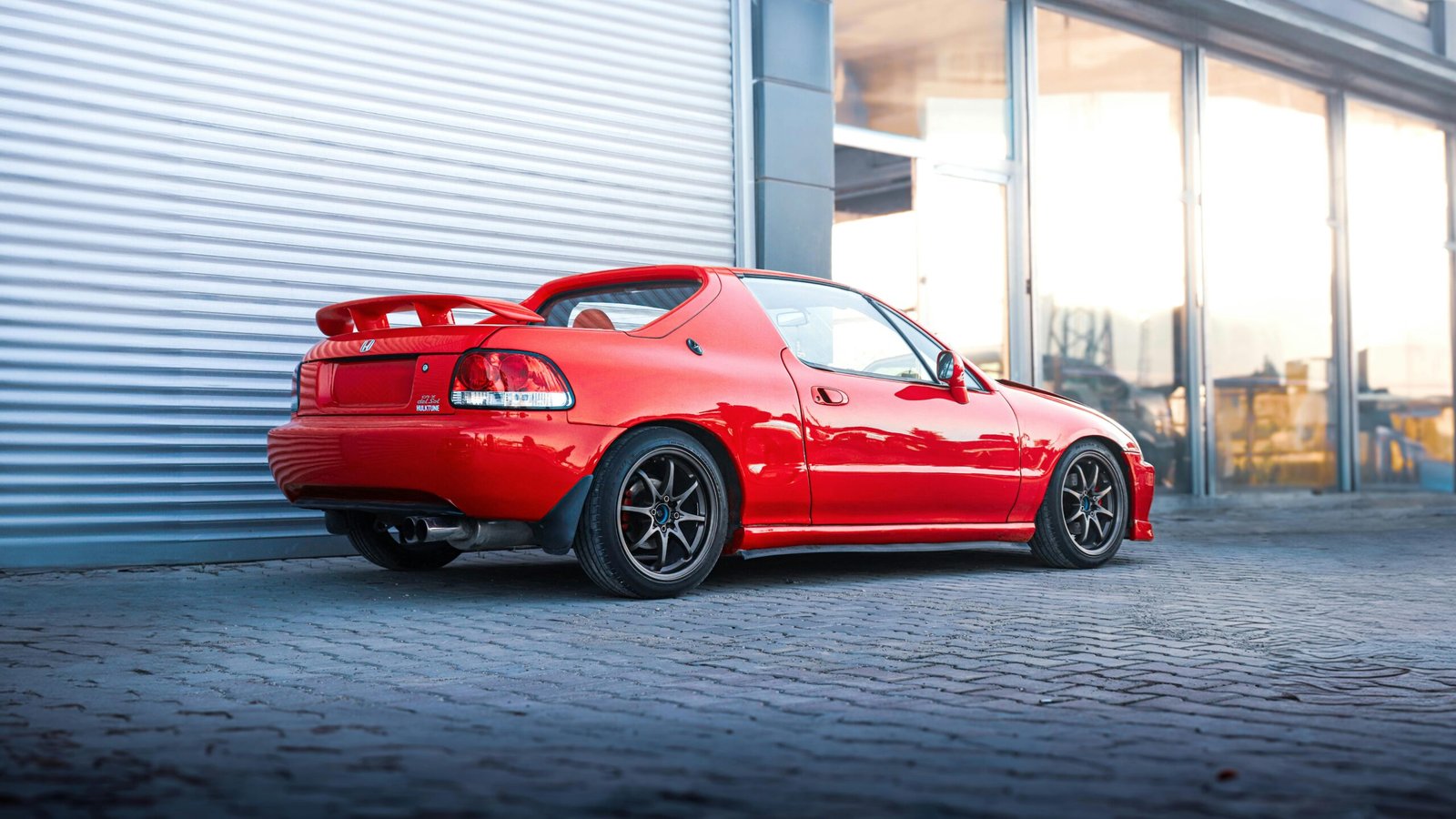
Honda CR-X Del Sol – Props to ChrisFix!
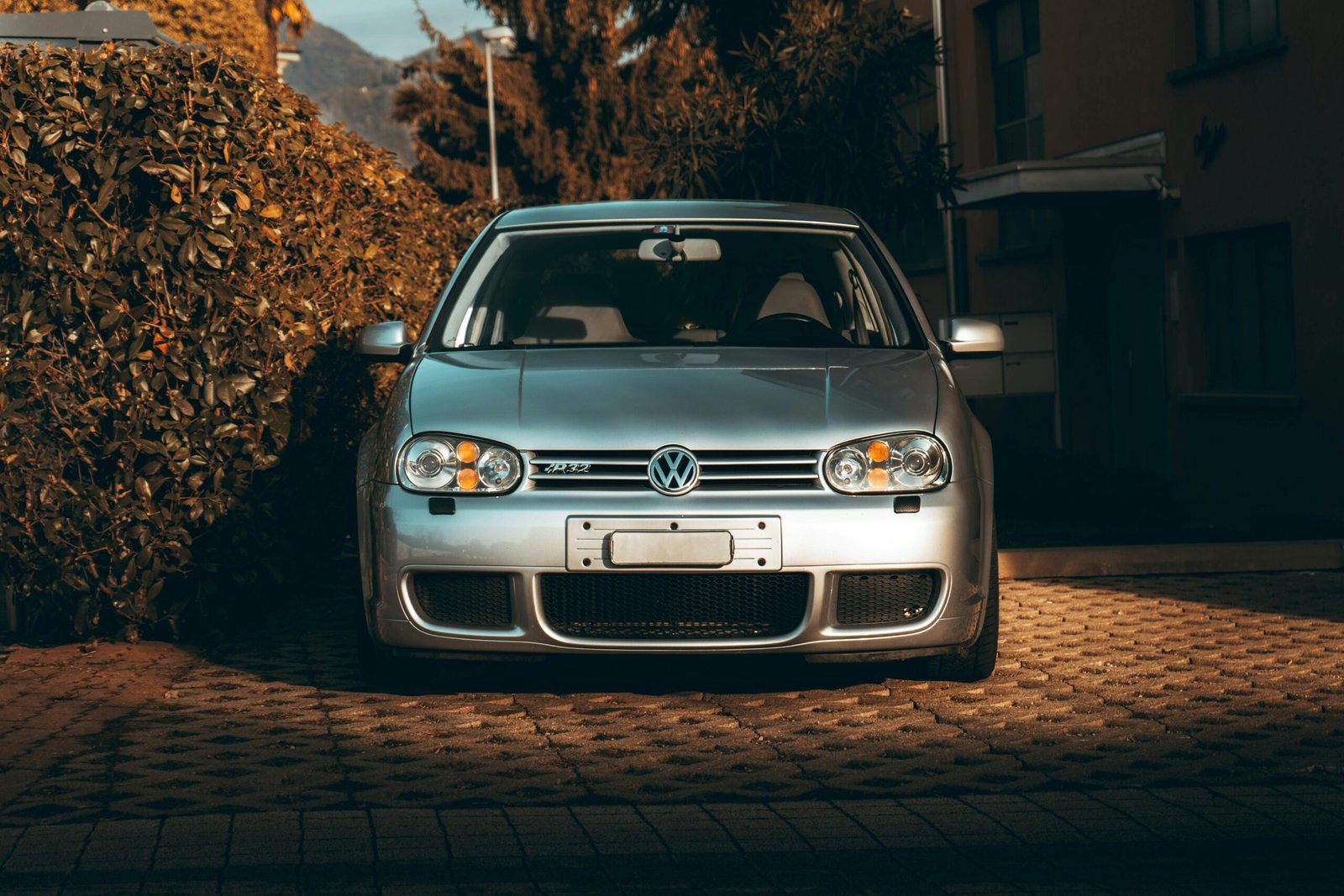
Volkswagen Golf – Golf GTI
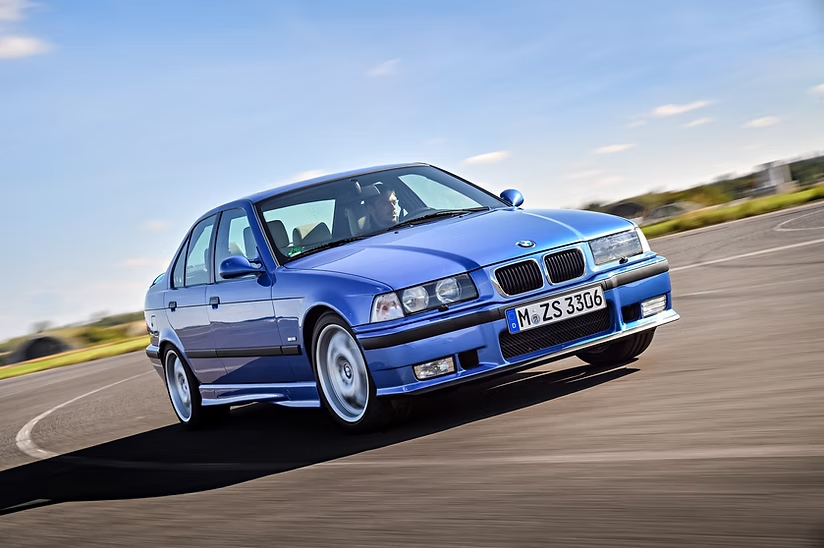
BMW 3 Series (E36)
For a more in depth review of the cars mentioned above, along with more recommendations, feel free to check out our other article on “Beginner Level Friendly” project cars!
Moving on, if you are to remember nothing else, remember this:
Mechanical issues are almost always easier to fix than rust.
Rust is sneaky. It hides under paint, behind trims, under carpets, along seams, and inside frame rails. Some rust looks bad but is easy to fix. Other rust looks minor but indicates the car is basically a lost cause.
When checking a project car:
- Look for bubbling paint (rust from under the surface)
- Tap questionable areas with a magnet
- Check frame rails, floor pans, rocker panels
- Check the trunk wells and windshield corners
- Bring a flashlight and be prepared to get on the ground to search
- Use your hands—feel, don’t just look
Surface rust? Fine.
Rust holes? uhh that can’t be good, but keep looking.
Frame rot? No way, walk away, no matter how “good the deal” may sound..
Factor in the True Cost—Not Just the Buy-In Price
As a beginner, the focus is almost always on the number on the listing. That’s only the tip of the iceberg.
Expect:
- $200–$600 in unexpected parts
- $50–$300 in tools you didn’t think you needed
- $200–$1,000 in fluids, filters, hardware, paint, and cleaners
- Tires
- Battery
- Diagnostic tools
- Local tow or trailer rental
And that’s for a simple project, in most cases.
The point isn’t to scare or discourage you. It’s to help you plan with eyes open so you don’t get in over your head once the car is home.
Always Check the Title Situation
This is huge—especially for older cars or barn finds. A good project car should come with one of these:
- Clean title
- Rebuilt title
- Bill of sale + VIN verification (depending on your state)
Red flags:
- “Lost title”
- “I’ll mail it to you later”
- “Not in my name”
- “No paperwork but it’s fine”
You do not want your first project to turn into a legal headache.
Inspect With Logic, Not Emotion
It’s easy to get excited when you start picturing what the car could look like. But emotion blinds you to problems.
Here’s how to keep your head clear:
- Start with a checklist (I can make you one if you want)
- Ask direct, simple questions
- Test everything that can be tested
- Take pictures of anything questionable
- If the seller pressures you, leave
- Never buy in the dark or rain
- Bring a friend with car knowledge if possible
A good seller will answer questions confidently and won’t rush you!
Start With Something You Actually Want to See Every Day
Your first project car becomes a big part of your life. You’ll spend weekends with it. You’ll get dirty because of it. You’ll learn from it, swear at it, and eventually appreciate it more than you thought possible.
So make sure you choose something that:
- Motivates you
- Fits your style
- You’d be proud to show
- You won’t get bored of
You don’t need the perfect car. You need the right one for where you are right now.
Beginner Level Friendly cars
A good first project teaches you:
- How cars work
- How to troubleshoot
- Patience
- Practical skills
- Pride in bringing something back to life
The wrong project teaches you defeat, frustration, and how quickly motivation can evaporate when you’re stuck with something unfixable.
So take your time. Be smart. Trust your gut. And when you finally find that one car—the one that feels like a “yes”—you’ll know.
And that’s where your real journey starts.