Stop for a moment and think about your dream car…have one in mind?
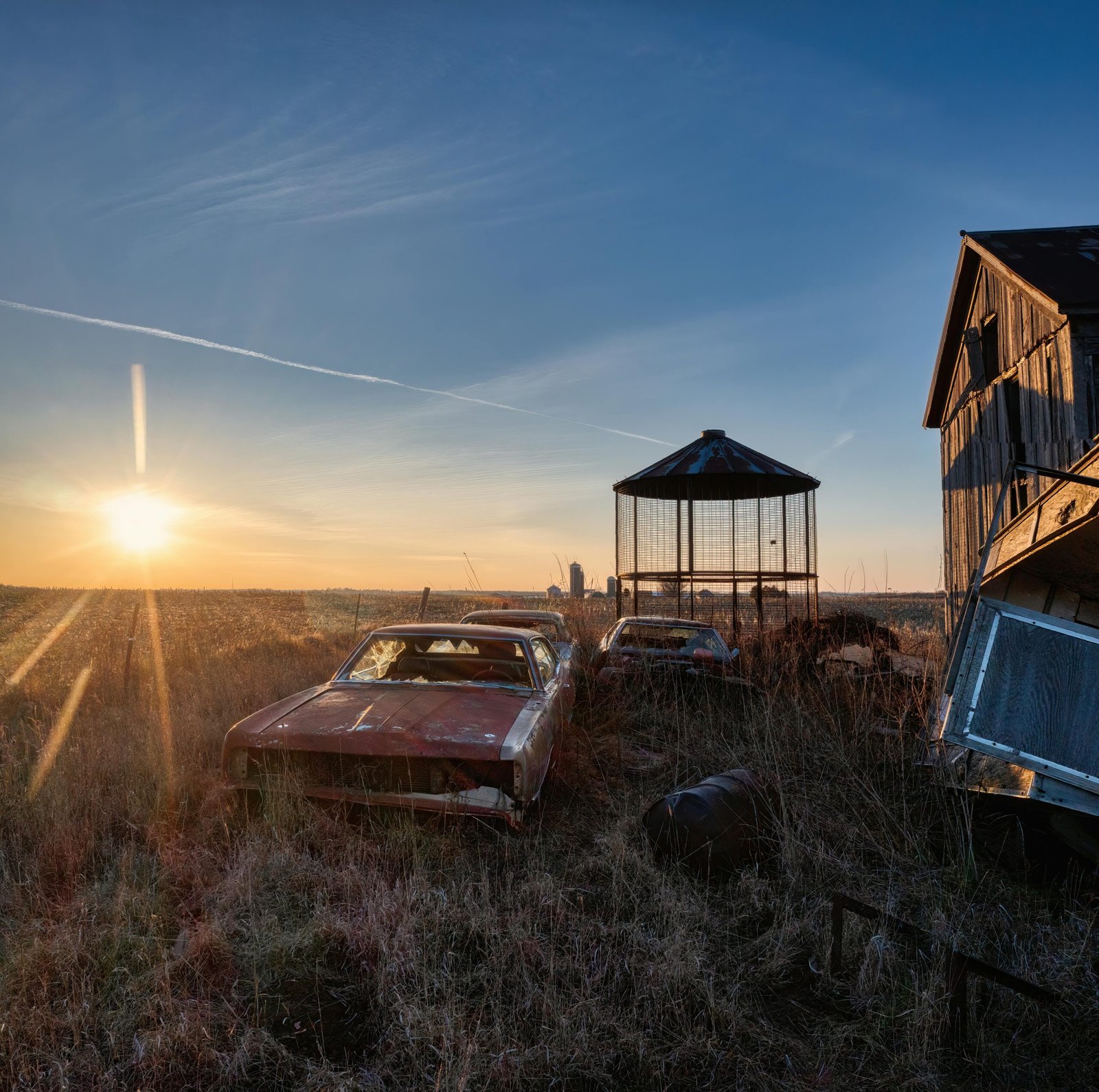
Now imagine finding that car you hold dearly to you in a field, exposed to the elements and forgotten in time.
You may feel excited…you may even feel a burning sense to take it under your care and restore this machine to its former glory and make it your own.
You may even feel sorry the car was forgotten and neglected for years of its life.
Unfortunately, that is the sad reality for many of these cars that are lost and neglected. These cars are not like ordinary cars you see on the road. These cars tell stories and hold memories of road trips, first cars, learning to drive, starting families, the beginning and end of relationships, and once they are lost, they are tucked away, scrapped, or simply become afterthoughts to people who just see an old car or a pile of rust, where we as car/restoration enthusiasts see it as dream, or the project we’ve always wanted.
Often times, these cars become victim to natures elements. These cars are left under tarps, in barn houses, in storage units and garages, under years of dust and other boxes and miscellanies items, or just left out in the open in a field somewhere collecting rust and debris.
So what do you do when you find your dream car sitting in a field, rusted out, missing parts, or if you’re lucky, in pristine condition? The key to inspecting a vehicle like such is to approach it methodically so that you don’t overlook major issues, or damages the car may have.
Here are some tips for when you discover a barn find so that you can bring one back to life.
Step one: Check for a VIN or other owner Identification
When buying any vehicle, let alone discovering a barn find, you want to first ensure if there is already an owner, if this car is even for sale, or if the car is as the owner describes it to be in their listing description. In this case, we are talking about cars with NO owner. The cars that are abandoned, or, the car that does have an owner and there is a mutual agreement between the buyer and seller to do a thorough inspection of said vehicle before making a purchase.
- Does the car have a vin number?
- Does the owner have the title available?
- What’s the status of the title, clean? salvage?
- Is this car eligible for registration?
- Are there signs of collision repairs and has this car been in any prior accidents?
- Is the car stolen?
These are all questions you want to keep in mind and are prepared to ask when purchasing a vehicle like a project car or a barn find.
Step Two: Do a thorough walk around
Barn finds, vehicles that are abandoned In fields, or stored under tarps can become a home to wild life creatures seeking shelter. You do NOT want to stick your head or hands in any small places until you’ve ruled out there are no animals, nests, or other potential threats where you cannot see them. You want to inspect the vehicles body noticing any rust, dents, holes, welded seams, and other missing parts and other damages.
Does the car have any major rust to the rocker panels, frame rails, or holes in the structure that can potentially become costly and extensive to repair? Once you’ve ruled out that there aren’t any wildlife seeking shelter in said vehicle, take the time to really inspect areas where rust may be hiding.
NOTE: Rust can be found anywhere where moisture can reach. Be aware of rust in hard to reach places such as under floor boards, inside the fender, under the paint or in more serious cases, in the engine block itself.
Step 3: Does it run?
When buying any vehicle, it is important to check the mechanical health of the vehicle you are purchasing. it is important to check the oil level of the car you are purchasing as it can serve as a good indicator of previous owner maintenance. A car with neglected maintenance can become a headache In repairs later on down the road.
Step 4: Inspect the Engine Bay Carefully
Before even attempting to start the car, open the hood and take a moment to visually examine the engine bay. This is the heart of the machine—the place where decades of neglect or care will reveal themselves immediately.
Is the engine complete? Are vital components like the air cleaner, carburetor, distributor, coils, or belts missing?
Do you see frayed wires, cracked hoses, or signs that rodents have made a home inside?
Are there obvious leaks—oil, coolant, fuel, or power-steering fluid—that hint at deeper issues?
Even if everything looks intact, you should never try to start a barn find engine right away. Engines that have been sitting for years need to be properly lubricated, inspected, and primed before turning the key. Attempting to start it dry can cause catastrophic damage, including seized pistons, broken rings, or spun bearings.
Before doing anything mechanical, treat the engine bay as a puzzle: take inventory of what’s there, what’s missing, and what looks questionable. This will help you estimate how much work, time, and money the project may require.
Step 5: Look Inside the Vehicle
Barn finds often hide their biggest surprises inside. Interiors can be deceptively damaged even if they appear fine at first glance. Moisture, rodents, mold, and time can wreak havoc on soft materials.
Check the seats, dash, carpet, and door panels. Tap the floorboards to see if they feel soft or brittle. Look under the seats and behind interior panels for rodent nests, chewed wiring, or rust creeping in from below.
Pay attention to the smell too—musty odors indicate moisture intrusion, while strong mold smells may mean the car was exposed to leaks or condensation for years.
Interior restoration is often more expensive than buyers expect, so it’s important to understand the scope before you commit.
Step 6: Inspect the Undercarriage
Once you’ve checked the body and interior, turn your attention underneath the vehicle. This is where hidden issues often lurk.
Use a flashlight and look at the frame rails, floor pans, suspension mounting points, brake lines, and fuel lines. These components are vulnerable to rust and rot, and severe corrosion here can determine whether the car is a viable project or a parts vehicle.
- Are the brake lines rusted through?
- Is the fuel tank covered in rust scale?
- Are the shocks, springs, and control arms intact?
- Does the frame appear straight and solid?
A barn find with a solid undercarriage is worth far more than one with structural rot. This step alone can make or break your decision.
Step 7: Examine the Wheels, Tires, and Brakes
Tires on abandoned vehicles are almost always dry-rotted and unsafe. Wheels may be bent, rusted, or seized to the hubs. When a car has been sitting for years, the brake system likely needs a complete overhaul.
Check for:
• Dry cracking on tires
• Rust around lugs and studs
• Calipers or drums that are seized
• Bent or rusted wheels
• Stuck parking brakes
Even if you plan to trailer the car home, understanding wheel and brake condition helps you plan how to safely move it.
Step 8: Document Everything
Take photos, record videos, and write notes. When you’re dealing with a vehicle that has been sitting for years, documentation becomes crucial for estimating your restoration plan and negotiating a fair price.
Pictures give you a reference when you begin disassembling the vehicle later and help you compare the “before” and “after” as your build progresses.
In the site, you will find a printable PDF document with a check list for your guide on properly buying a barn find, or any vehicle.
Step 9: Determine the Level of Restoration Needed
Once you’ve completed a full inspection, you can start categorizing what kind of project you’re looking at:
• Revival: Little rust, mostly complete, needs fluids, battery, tune-up
• Partial Restoration: Mechanical repairs, moderate rust, interior work
• Full Restoration: Major rust, bodywork, engine rebuild, complete overhaul
• Parts Car: Too far gone but valuable for components
Being honest about the level of restoration needed—and your own abilities—is key. A car may be your dream car, but dreams become nightmares if you underestimate the workload.
Final Thoughts: Bringing a Forgotten Car Back to Life
Finding a barn find is an emotional experience. It’s a blend of nostalgia, excitement, curiosity, and sometimes heartbreak. But it is also a privilege—to pull a forgotten piece of history back into the light and give it purpose again.
Every car has a story. Every scratch, dent, layer of dust, and patch of rust marks a moment in time. When you choose to restore one, you’re not just fixing a machine—you’re continuing its story.
And maybe, just maybe, you’re bringing a piece of your own story to life at the same time.